
Choosing the right rental property becomes much easier when listings are compared carefully and systematically. A thoughtful comparison helps identify spaces that match business needs, budget expectations, and future plans. By focusing on important details and evaluating each option fairly, decision-makers can select a property with confidence and long-term value.
Review the Property Size and Layout
The size and layout of a rental space directly influence daily operations and overall comfort. Compare the total usable area, room arrangement, and flexibility of the floor plan. A well-designed layout supports productivity, efficient movement, and better use of available space.
Key points to compare include:
- Total square footage
- Number of rooms or sections
- Open-plan versus divided spaces
- Storage availability
- Expansion possibilities
Evaluate Location Convenience
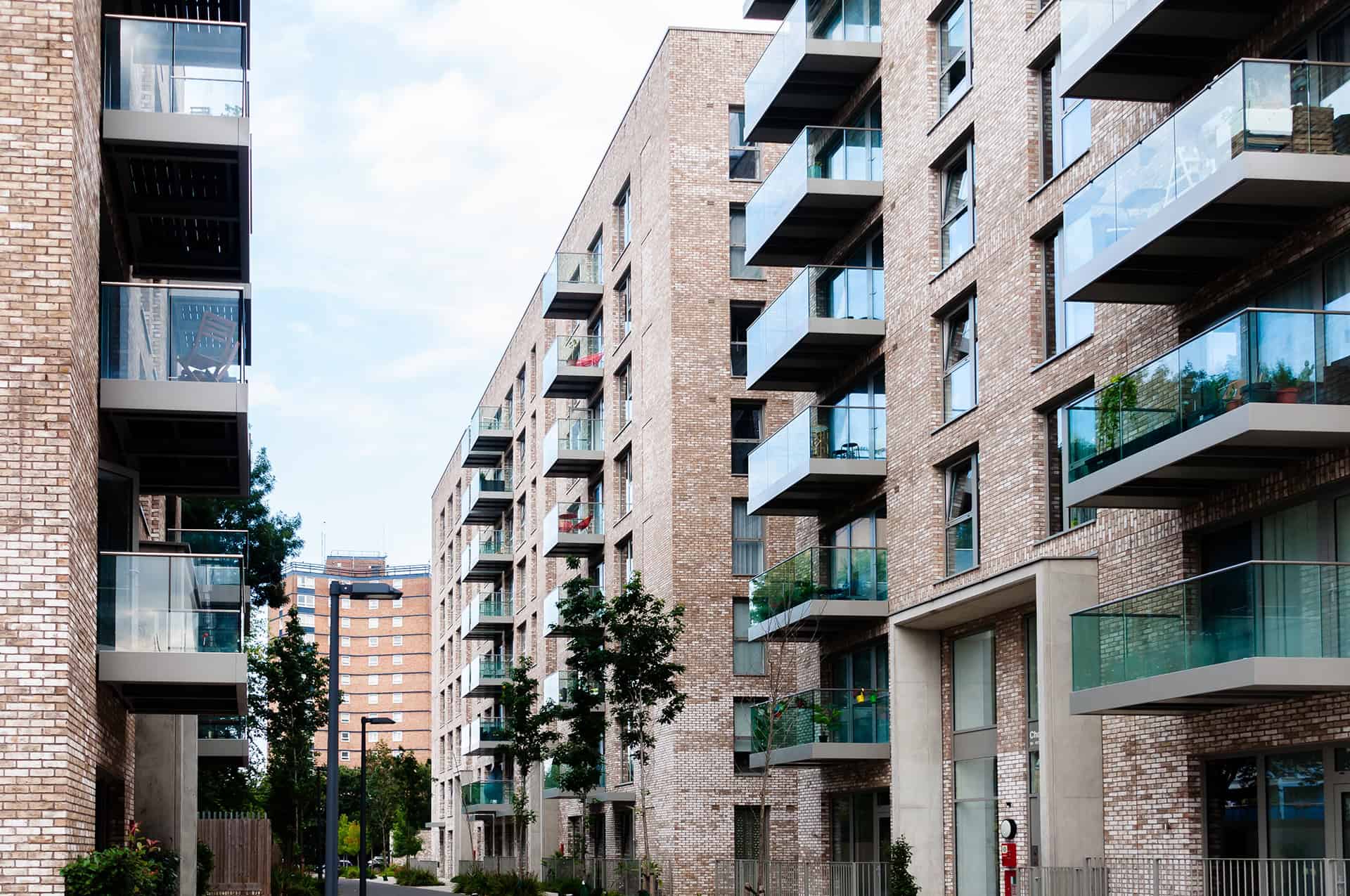
Location plays a major role in accessibility and convenience. Compare how easily employees, customers, and visitors can reach each property. A well-positioned rental space can support smoother operations and create a more positive experience for everyone involved.
Consider factors such as:
- Accessibility from major routes
- Nearby amenities
- Parking availability
- Public transportation access
- Surrounding business environment
Compare Rental Costs and Value
Looking beyond the monthly rent helps 尖沙咀商業大廈 provide a clearer picture of overall value. Compare the pricing structure of each listing and assess what is included. A property that offers additional features or services may provide greater benefits over time.
Important elements to review include:
- Monthly rental amount
- Maintenance charges
- Utility responsibilities
- Security deposits
- Included amenities
Assess Property Features and Amenities
Amenities can significantly enhance convenience and functionality. Compare the facilities offered by each property and determine how they support business activities. Modern features often improve efficiency and contribute to a better working environment.
Features worth comparing include:
- Meeting areas
- Security systems
- Internet readiness
- Climate control options
- Shared facilities
Examine Property Condition
A well-maintained property can reduce future concerns and provide a more professional atmosphere. Compare the overall condition of each rental listing by reviewing maintenance standards, cleanliness, and building quality.
Areas to inspect include:
- Interior finishes
- Lighting quality
- Flooring condition
- Restroom facilities
- Structural upkeep
Analyze Lease Flexibility
Lease terms can greatly affect future business decisions. Comparing rental agreements helps identify options that provide flexibility and support changing requirements. Flexible arrangements can offer greater convenience as business needs evolve.
Review the following details:
- Lease duration
- Renewal options
- Upgrade opportunities
- Early termination conditions
- Adjustment policies
Create a Comparison Checklist
Using a structured checklist makes it easier to evaluate multiple properties objectively. Recording key information for each listing helps highlight strengths and identify the best overall option. A consistent comparison method reduces confusion and improves decision-making.
Checklist categories may include:
- Cost
- Location
- Amenities
- Space efficiency
- Lease terms
- Property condition
Conclusion
Comparing rental listings effectively involves examining size, location, costs, amenities, condition, and lease terms. Taking a detailed and organized approach allows decision-makers to identify properties that align with current goals and future growth plans. Careful evaluation ensures a confident choice and helps secure a rental space that delivers lasting value and convenience.